Freedom
此類別透過高對比的構圖與開闊的視覺場域,探究自由的多面向。作品不拘泥於獨立的字面意涵,轉而聚焦於開放的美學以及地平線的建築潛力。這些創作旨在檢視空間如何被運用,以激發自主感與認知上的清晰。策展人與收藏家將在此遇見一個以結構性極簡主義與崇高美感為主的選集,為現代景觀中無拘無束的存在狀態提供深刻的省思。
13 Artworks
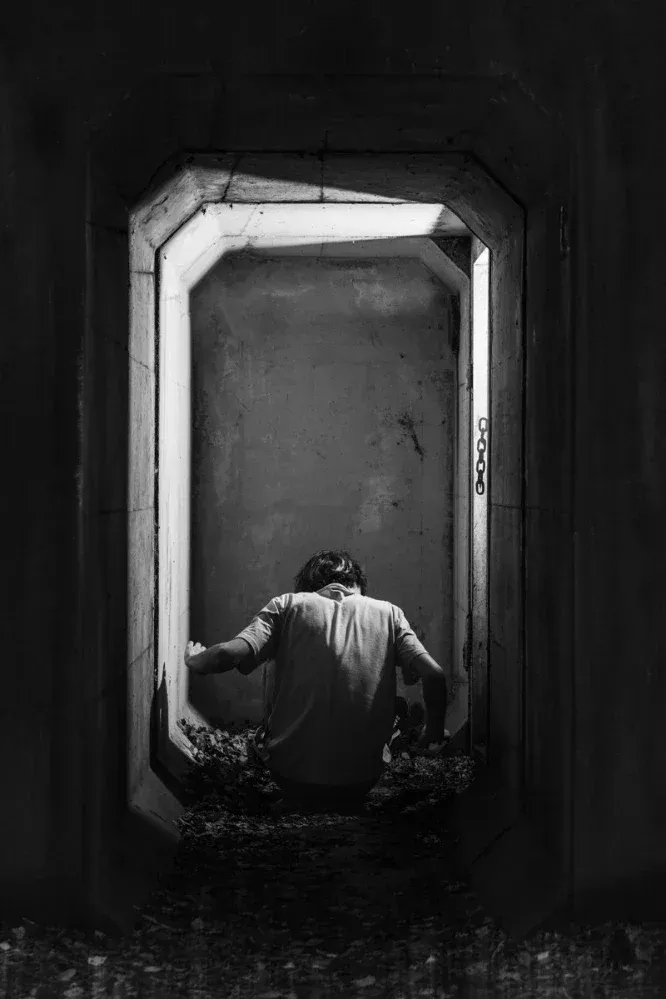
Arjan Spannenburg
SENTIENT

Arjan Spannenburg
COMPELLED - Damian

Arjan Spannenburg
COMPELLED - Robin

Arjan Spannenburg
COMPELLED - Jaap

Arjan Spannenburg
COMPELLED - Jacob

Arjan Spannenburg
COMPELLED - Mats

Arjan Spannenburg
COMPELLED - Charlotte

Arjan Spannenburg
COMPELLED - Thijs
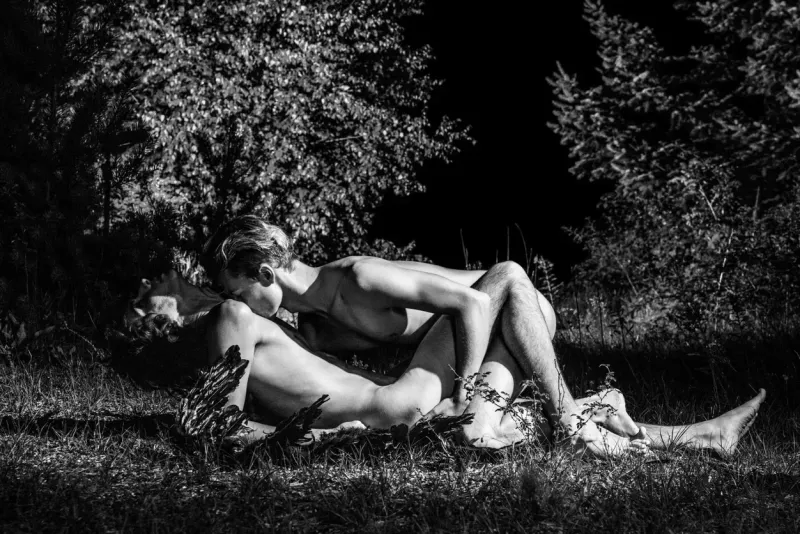
Arjan Spannenburg
ESCAPADE

Arjan Spannenburg
SEGREGATION
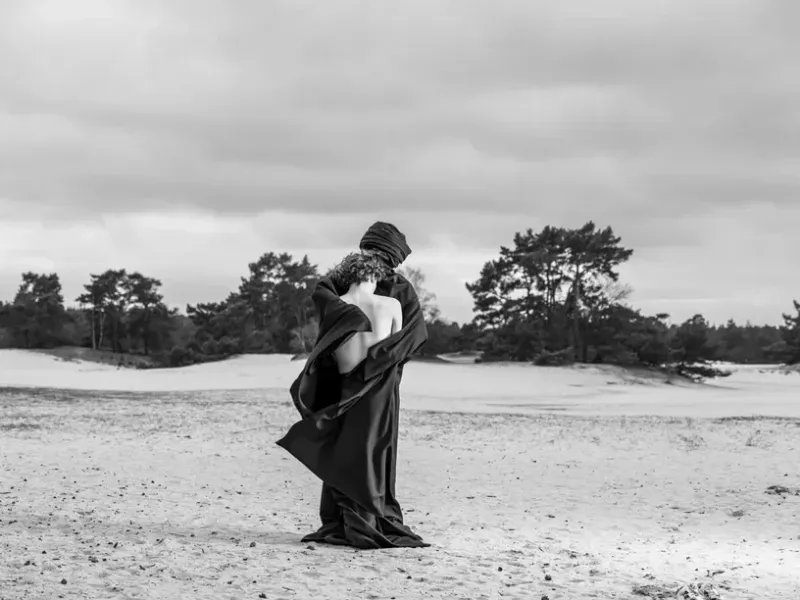
Arjan Spannenburg
EMERGE
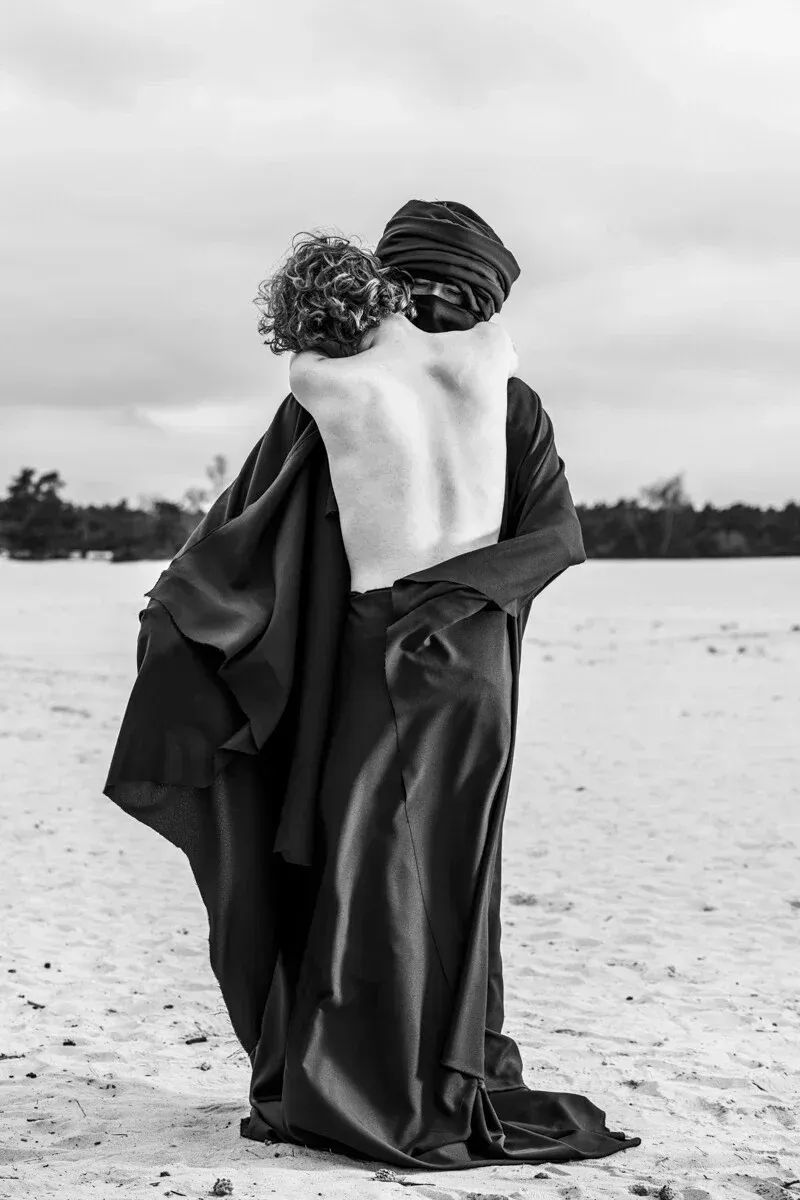
Arjan Spannenburg
SOLACE
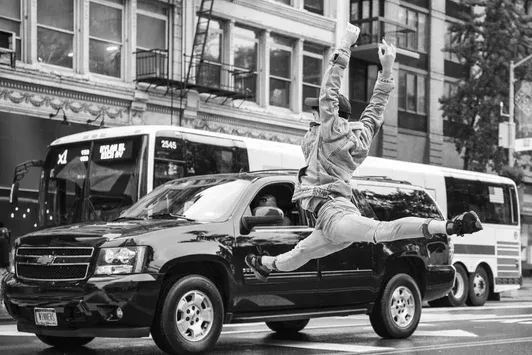
Arjan Spannenburg
JILLIS IN NEW YORK
The Visual Language of Freedom: Transcendence and Autonomy in Contemporary Practice
Freedom within the visual arts is rarely a static representation of liberty. It is a rigorous exploration of spatial autonomy and the removal of systemic constraints. In this curated selection, the concept of freedom manifests through the lens of expansive landscapes, minimalist compositions, and the deliberate use of negative space. These works do not merely depict open environments, they examine the philosophical boundary between the individual and the infinite. By prioritizing structural clarity over ornamental detail, the artists within this category challenge the viewer to engage with the notion of unburdened perception.
Spatial Dynamics and the Philosophy of the Open
The works presented here are characterized by a profound understanding of monumental scale and atmospheric perspective. This genre serves as a critical bridge between traditional romanticism and contemporary conceptualism. While historical movements often framed freedom through nationalistic or heroic narratives, modern interpretations focus on the internal state of the observer. The absence of traditional focal points encourages a non-linear engagement with the image, reflecting a state of intellectual and emotional liberation. This approach aligns with the contemporary art market interest in works that provide a meditative counterpoint to the density of urban existence.
Contextual Relevance and Artistic Lineage
The relevance of this genre in the current global climate cannot be overstated. As digital and physical borders become increasingly rigid, the artistic pursuit of absolute freedom remains a vital necessity. These pieces resonate with the legacies of late twentieth-century landscape photographers and abstract expressionists who sought to capture the sublime. By situating these works within a broader art historical context, we recognize freedom as a technical achievement in composition and light management. Collectors and curators will find here a sophisticated dialogue on the human condition, expressed through the mastery of visual silence and the deliberate rejection of visual noise.