LGBT+
此類別以當代視角,探索身份、性別表達與社會可見度之間的多重交匯點。透過優先考慮敘事主權,此系列作品提供了一個精緻的視覺對話,挑戰傳統規範,並頌揚 LGBTQ+ 社群在歷史上的韌性。策展人及收藏家將在此找到兼具形式藝術卓越性與關於自我本質的深邃哲學探究的作品。這些影像既是現代藝術界的審美貢獻,也是全球文化中 queerness 美學持續演變的重要文獻。
36 Artworks

Arjan Spannenburg
RELIANT

Arjan Spannenburg
RESTRAINT 1

Arjan Spannenburg
RESTRAINT 2

Arjan Spannenburg
TOUCH ME 2 - Inclination

Arjan Spannenburg
TOUCH ME 2 - Propensity

Arjan Spannenburg
TOUCH ME 2 - Tendency

Arjan Spannenburg
TOUCH ME 2 - Velleity

Arjan Spannenburg
RESTRAINT 3

Arjan Spannenburg
COMING OUT

Arjan Spannenburg
ESCAPADE
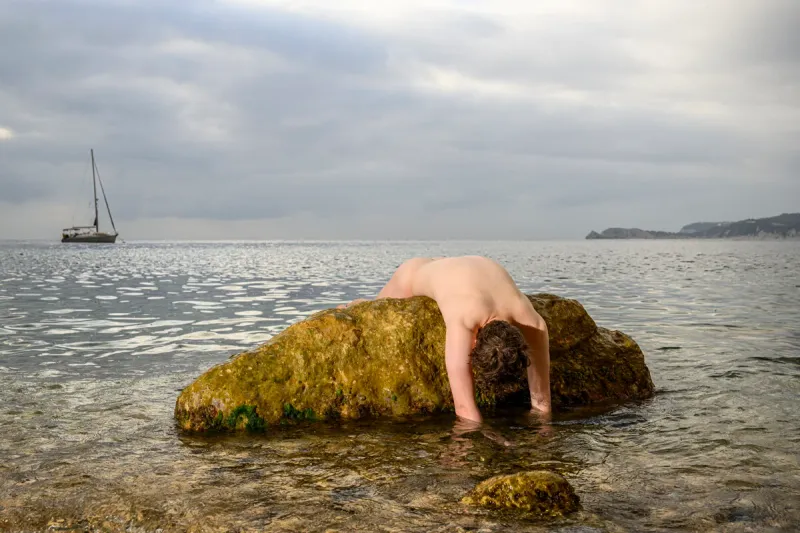
Arjan Spannenburg
SIREN 3/3

Arjan Spannenburg
SIREN 2/3
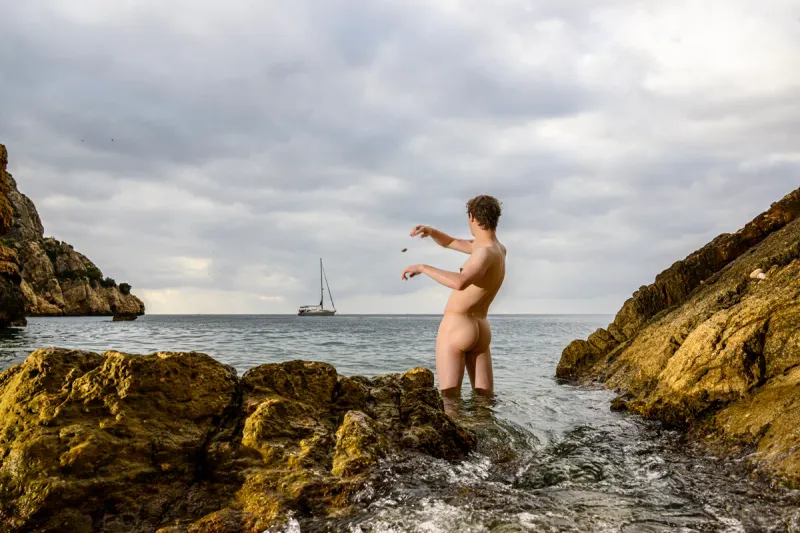
Arjan Spannenburg
SIREN 1/3

Arjan Spannenburg
JOHN THE BAPTIST - The Red Mantle

Arjan Spannenburg
JOHN THE BAPTIST - Presence

Arjan Spannenburg
JOHN THE BAPTIST - The Weight of the Word

Arjan Spannenburg
JOHN THE BAPTIST - The Shepherd's Gaze

Arjan Spannenburg
SAINT SEBASTIAN

Arjan Spannenburg
EROSION

Arjan Spannenburg
POSSESSION
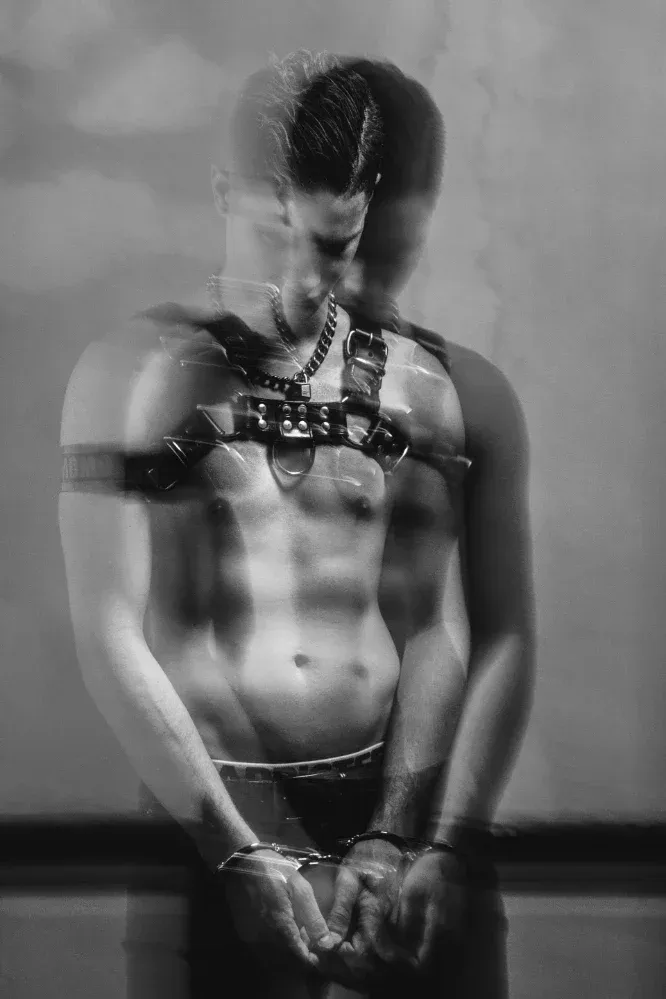
Arjan Spannenburg
DESIRE
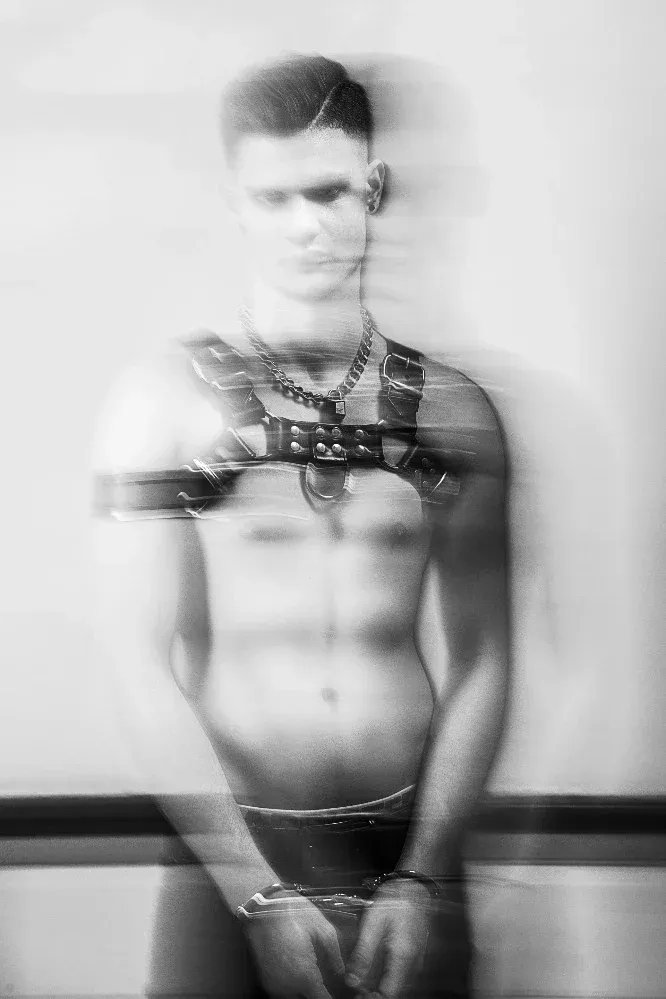
Arjan Spannenburg
CONFUSED
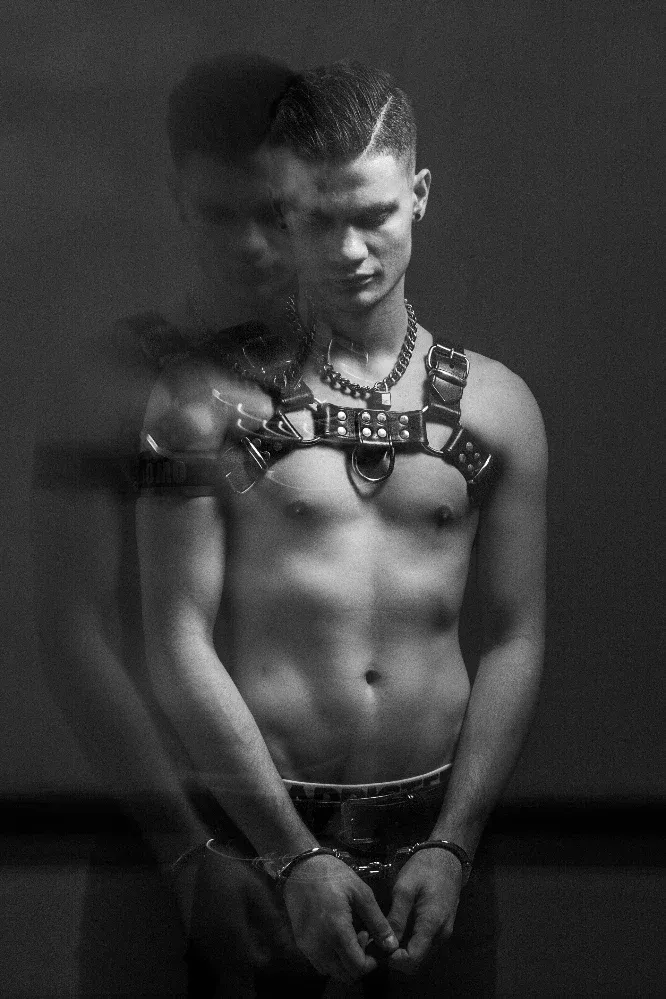
Arjan Spannenburg
WORRIED
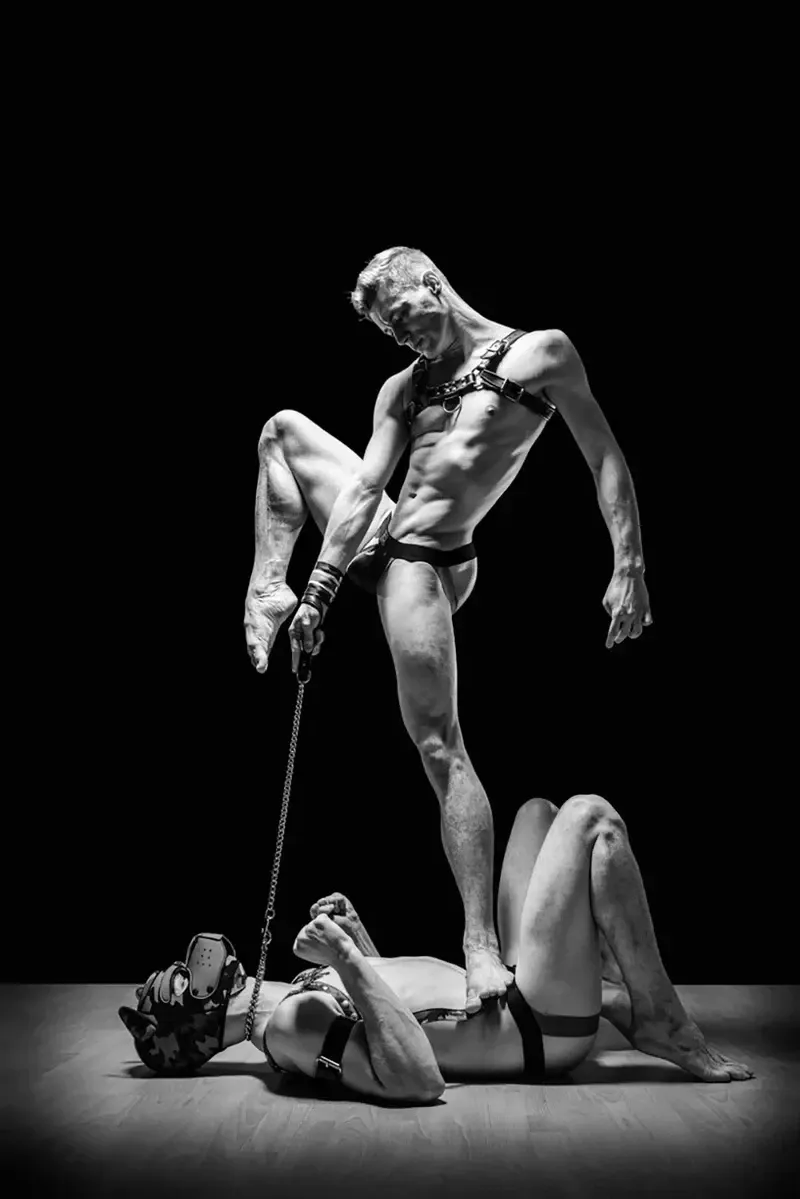
Arjan Spannenburg
RECIPROCATION
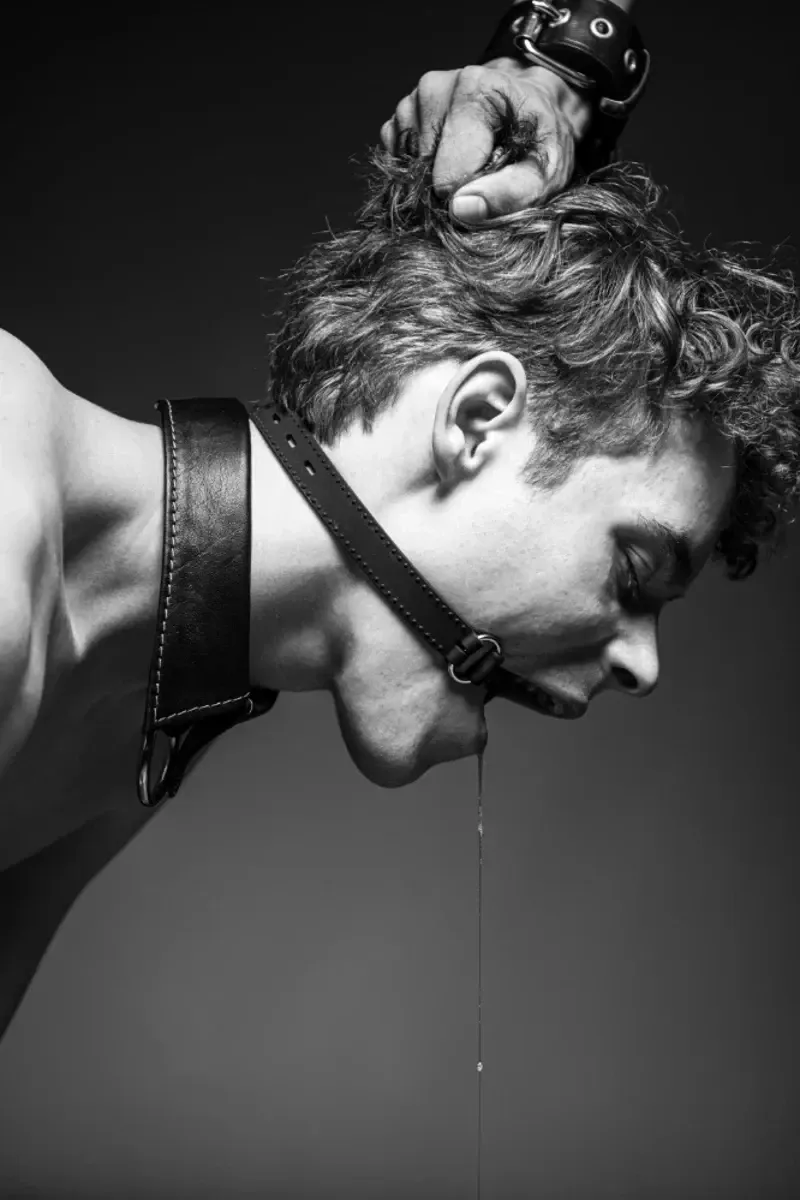
Arjan Spannenburg
DOMINION

Arjan Spannenburg
LOVED

Arjan Spannenburg
WHERE IT CALMS

Arjan Spannenburg
PERSISTANCE

Arjan Spannenburg
SUBMISSION
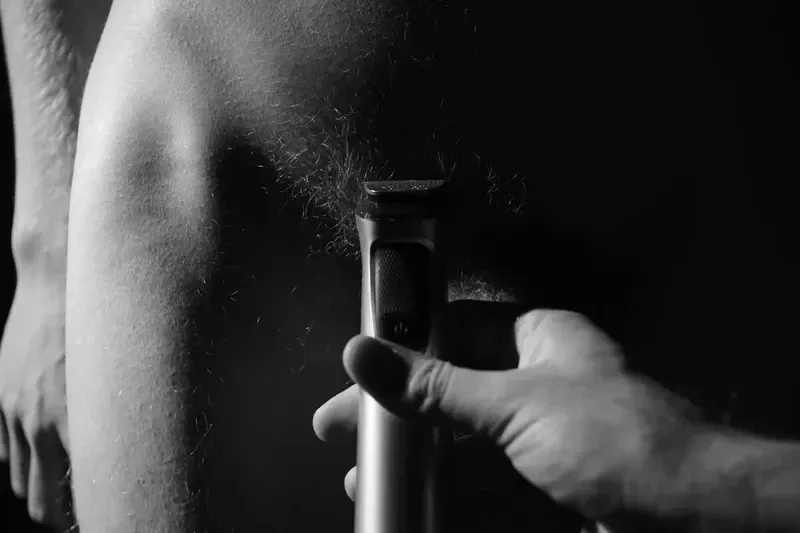
Arjan Spannenburg
GROOMING RITUAL

Arjan Spannenburg
YEARNING

Arjan Spannenburg
RAPTURE

Arjan Spannenburg
SOLACE

Arjan Spannenburg
SANCTIONED

Arjan Spannenburg
ESTRANGED - YANNICK

Arjan Spannenburg
THE OBSERVER
The Queer Lens: Narrative Sovereignty and Visual Identity
The discourse surrounding LGBTQ+ art has evolved from a clandestine visual language to a rigorous academic and cultural discipline. This genre functions as a vital repository of social history, where the image serves as both a tool for documentation and a site for political resistance. By engaging with the nuances of queer theory, artists within this collection navigate the intersections of gender, desire, and domesticity. The works found on this page move beyond mere representation, they explore the concept of the gaze, challenging traditional heteronormative frameworks while establishing a new visual vocabulary for self-determination.
Conceptual Depth and the Art Market
In the global art market, LGBTQ+ photography and contemporary art have gained significant institutional recognition. Curators and serious collectors increasingly seek works that offer provenance rooted in authentic lived experience and social commentary. This collection situates itself within that broader artistic lineage, drawing parallels to the work of pioneers like Catherine Opie and Zanele Muholi. The imagery functions as a dialogue between the private self and the public sphere, often utilizing the studio or the intimate domestic space to confer dignity upon marginalized identities.
Philosophical Foundations of Representation
Philosophically, this genre addresses the fluidity of identity. It rejects the binary in favor of a spectrum: a radical act of visibility that has historically been suppressed. The artists present here utilize the medium to reclaim narrative sovereignty, ensuring that the queer experience is not just seen, but understood through its own cultural logic. For the international curator, these works provide a complex layer of context, contributing to a more inclusive and semantically rich art history that resonates with contemporary societal shifts.