Forskning och process
The Fluidity of the Eternal: Decoding the Hermaphrodite Endormi
The Hermaphrodite Endormi is a second-century Roman masterpiece that challenges traditional gender binaries through its depiction of the mythological child of Hermes and Aphrodite. Enhanced by a realistic marble mattress carved by Gian Lorenzo Bernini in 1620, the sculpture has journeyed from the Borghese collection to the Louvre, and recently to the Rijksmuseum. It serves as an essential cultural touchstone, proving that gender fluidity has been a recognized and celebrated aspect of human history and art for thousands of years.
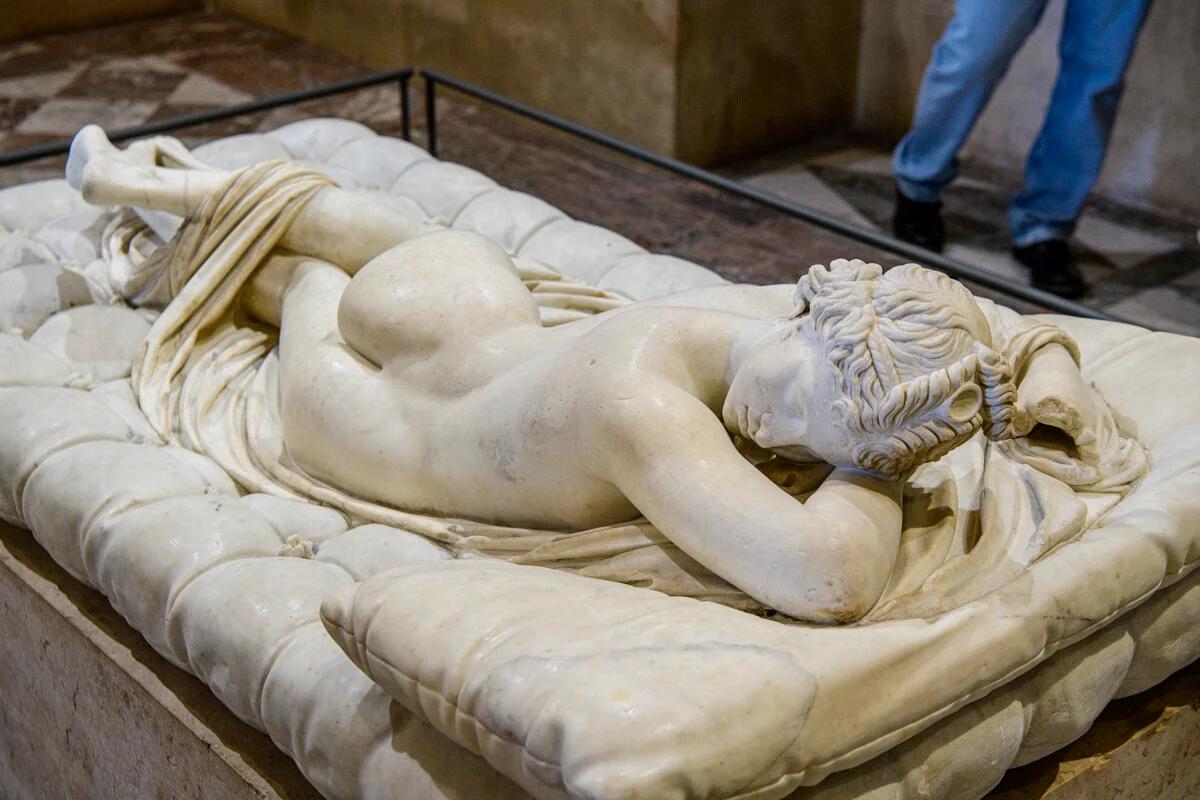
The silent corridors of the Louvre house a figure that has transcended time, culture, and the rigid structures of human categorization. The Hermaphrodite Endormi, a Roman marble work dating from the second century CE, remains one of the most compelling dialogues between antiquity and the present day. Discovered in 1618 near the Baths of Diocletian in Rome, this sculpture offers more than mere aesthetic pleasure, it serves as a profound testament to the historical existence and acceptance of gender diversity.
The Mythological Genesis and the Fusion of Energies
At the heart of this masterpiece lies the myth of Hermaphroditus, the child of Hermes and Aphrodite. According to the Metamorphoses by Ovid, the nymph Salmacis prayed for eternal union with the beautiful youth, resulting in a single being that unified both masculine and feminine forms. The pursuit behind this creation was not found in a desire to shock, but in a desire to represent the totality of human existence. The Greeks viewed this duality not as an aberration, but as a mystical state of being that encompassed the full spectrum of divine energy.
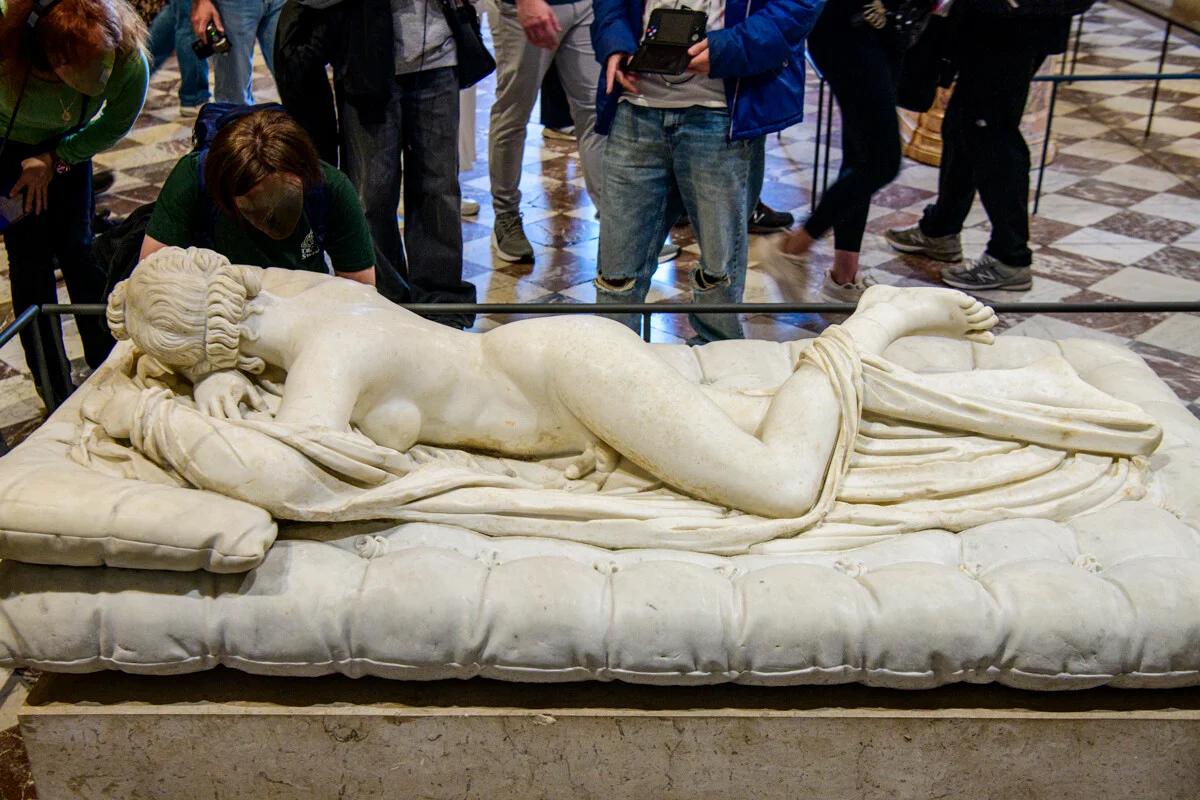
The Baroque Touch: Bernini and the Realism of the Mattress
In 1620, the Borghese family commissioned a young Gian Lorenzo Bernini to enhance the ancient fragment. His contribution, a remarkably realistic marble mattress and pillow, transformed the viewer's experience by making the material appear to yield under the weight of the figure. This addition anchored the mythological figure in a tangible, domestic reality. The sculpture was later acquired by Napoleon Bonaparte in 1807, moving from the private Borghese collection to the public stage of the Louvre.
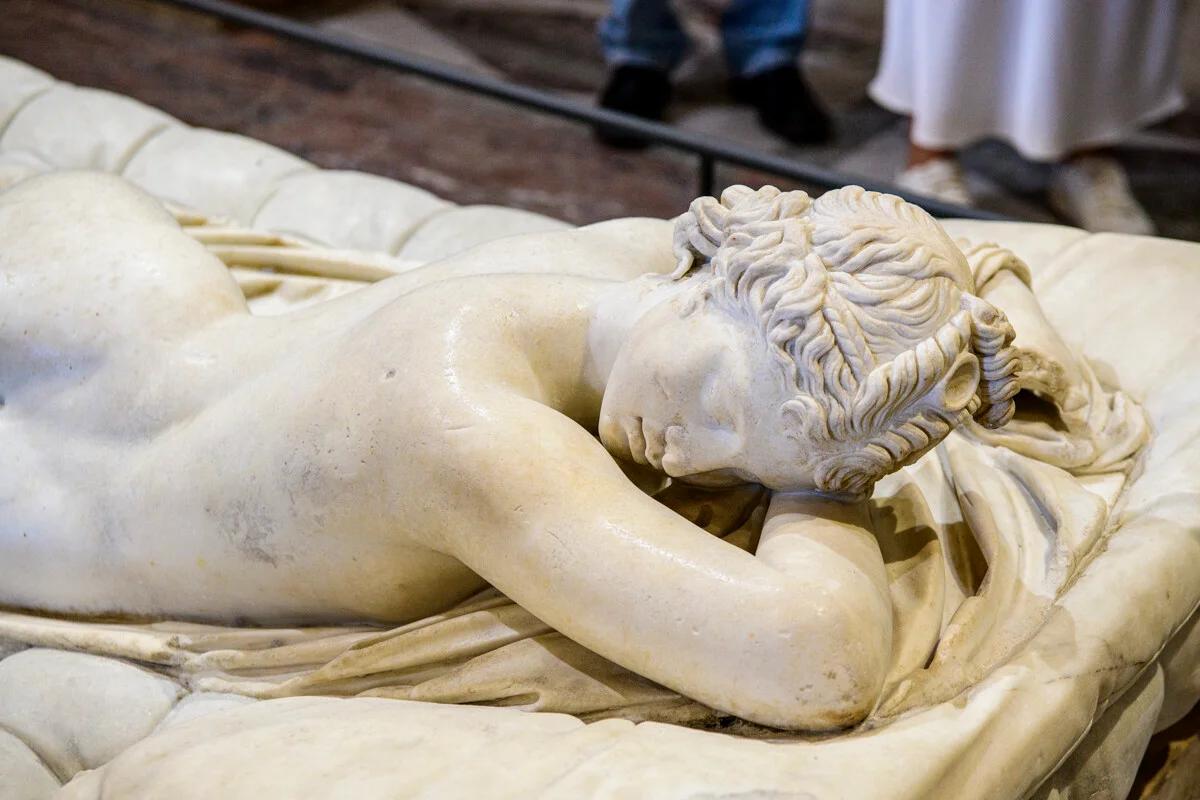
Challenging the Binary: A Contemporary Lens on Classical Art
For the modern observer, the Hermaphrodite Endormi acts as a mirror to our own societal evolution. While past centuries may have viewed the work through a lens of erotic curiosity, contemporary curators recognize its role in validating non-binary identities. The presence of such a high-profile work in the Louvre underscores that gender diversity is an inherent part of the human story. By examining the history of this sculpture, we find a bridge to greater acceptance and understanding in our current era.
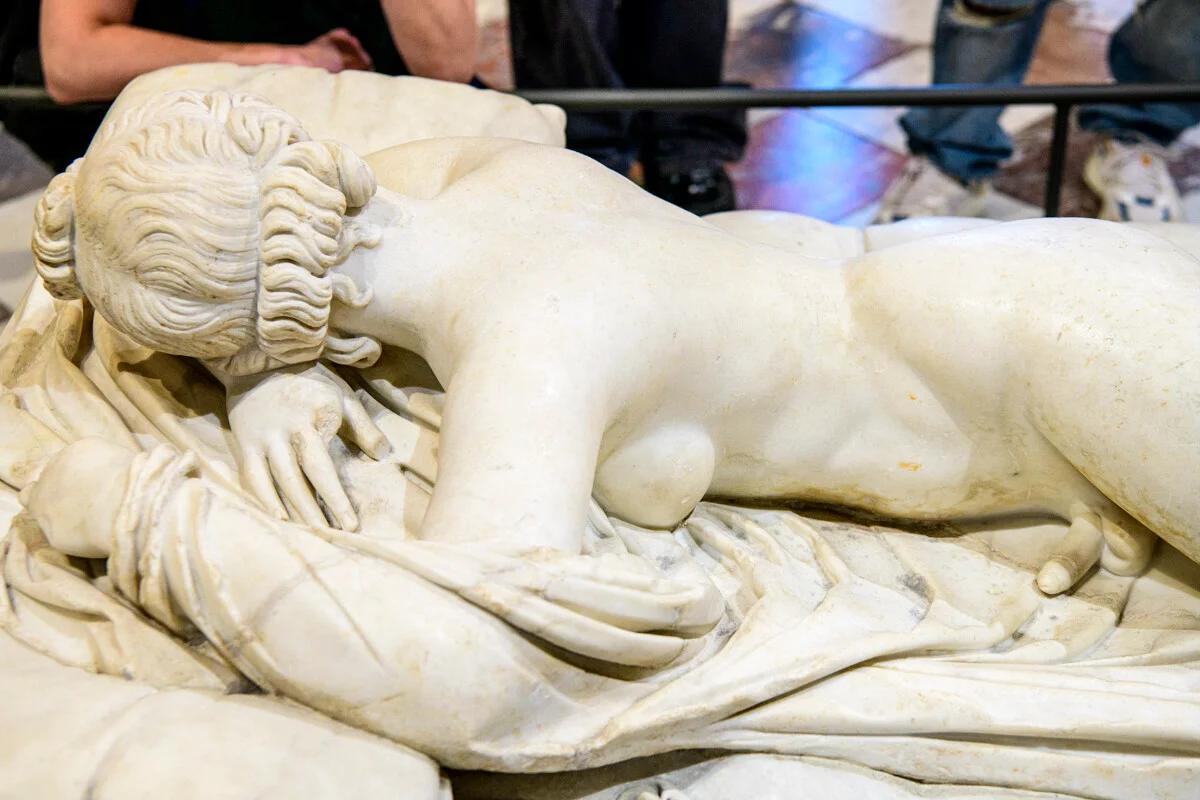
Global Resonance and the Metamorphoses in Amsterdam
The enduring relevance of the Hermaphrodite Endormi is further evidenced by its rare loans to international institutions. Most recently, the work has been featured as a centerpiece in the Rijksmuseum's Metamorphoses exhibition in the Netherlands. This temporary relocation allows a new audience to engage with the themes of transformation and identity. The display in Amsterdam serves as a reminder that the questions raised by this Roman marble regarding how we define the boundaries of the body remain as vital today as they were two millennia ago.
The Spannenburg Connection: Artivism and the Historical Body
For Arjan Spannenburg, the Hermaphrodite Endormi is a powerful historical anchor that mirrors his own commitment to visibility and inclusion within the LGBT+ community. As a queer artist and photographer, he views this ancient Roman masterpiece not as a shocking anomaly, but as a natural and beautiful testament to the long-standing existence of gender diversity, which resonates deeply with his own "artivistic" approach to challenging societal norms. By highlighting works that exist outside the traditional gender binary, Spannenburg utilizes art as a tool against the political marginalization of minorities, aiming to normalize diverse identities and bodies.
He believes that just as this marble figure has represented a fusion of masculine and feminine energies for millennia, contemporary art must continue to serve as a bridge to awareness and acceptance in an era where rights and visibility are still under threat. In conclusion, the Hermaphrodite Endormi reinforces Spannenburg's artistic mandate to ensure that "every person counts" by using the historical depth of classical art to validate and protect modern queer existence.