Queer
이 장르는 정교한 시각적 프레임워크를 통해 LGBTQ+ 정체성의 다면적인 차원을 탐구합니다. 이는 전통적인 젠더 역할의 해체와 소외된 관점에 대한 찬양을 우선시합니다. 인간 조건의 교차성을 중심으로, 이 작품들은 하위문화와 개인의 자율성에 대한 심오한 분석을 제공합니다. 큐레이터들은 퀴어 서사의 역사적, 현대적 관련성을 강조하는 컬렉션을 발견하게 될 것이며, 현대 미술 환경 내에서 정체성이 어떻게 구성되고, 인식되며, 방어되는지에 대한 포괄적인 시각을 제공할 것입니다.
31 Artworks

Arjan Spannenburg
RELIANT

Arjan Spannenburg
RESTRAINT 1

Arjan Spannenburg
RESTRAINT 2

Arjan Spannenburg
TOUCH ME 2 - Inclination

Arjan Spannenburg
TOUCH ME 2 - Propensity

Arjan Spannenburg
TOUCH ME 2 - Tendency

Arjan Spannenburg
TOUCH ME 2 - Velleity

Arjan Spannenburg
RESTRAINT 3

Arjan Spannenburg
COMING OUT
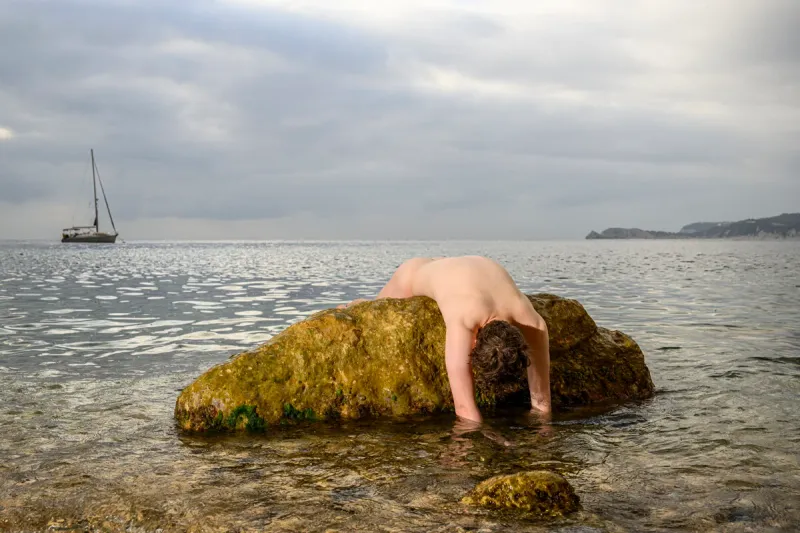
Arjan Spannenburg
SIREN 3/3

Arjan Spannenburg
SIREN 2/3

Arjan Spannenburg
SIREN 1/3

Arjan Spannenburg
JOHN THE BAPTIST - The Red Mantle

Arjan Spannenburg
JOHN THE BAPTIST - Presence

Arjan Spannenburg
JOHN THE BAPTIST - The Weight of the Word

Arjan Spannenburg
JOHN THE BAPTIST - The Shepherd's Gaze
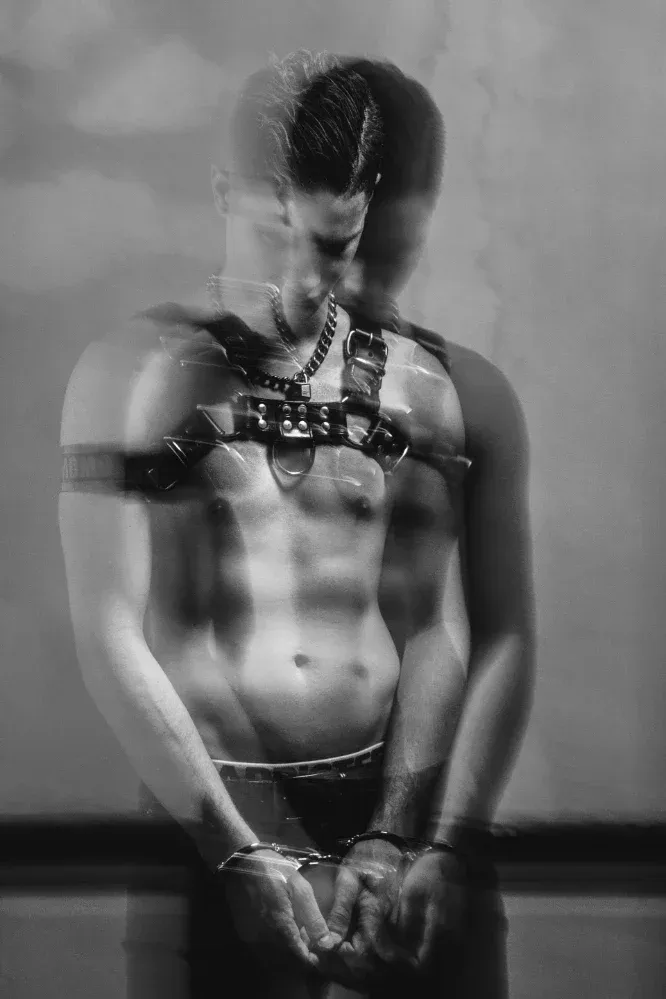
Arjan Spannenburg
DESIRE
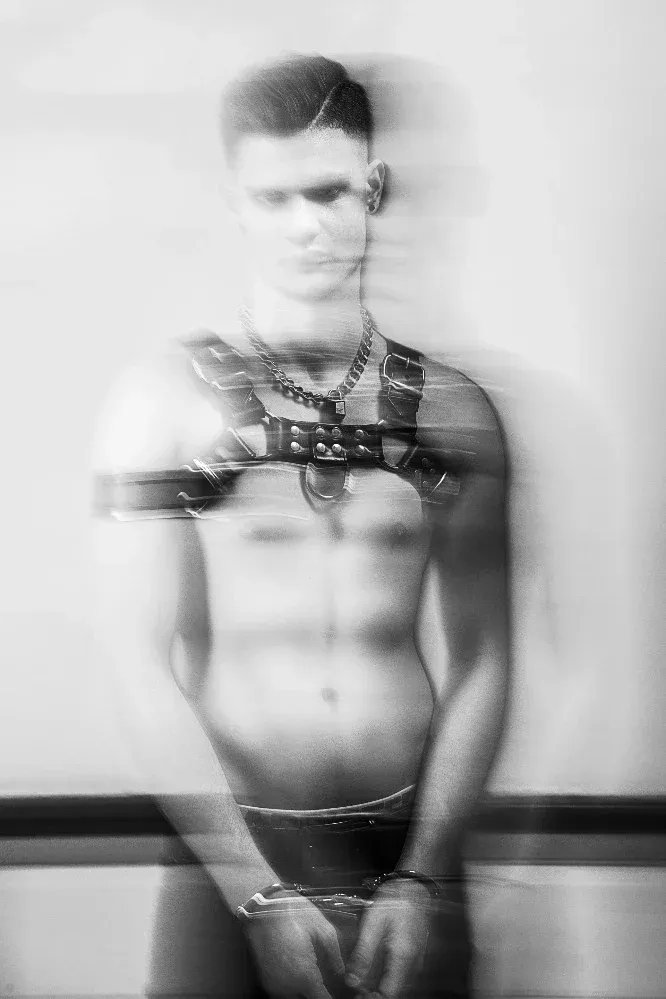
Arjan Spannenburg
CONFUSED

Arjan Spannenburg
WORRIED
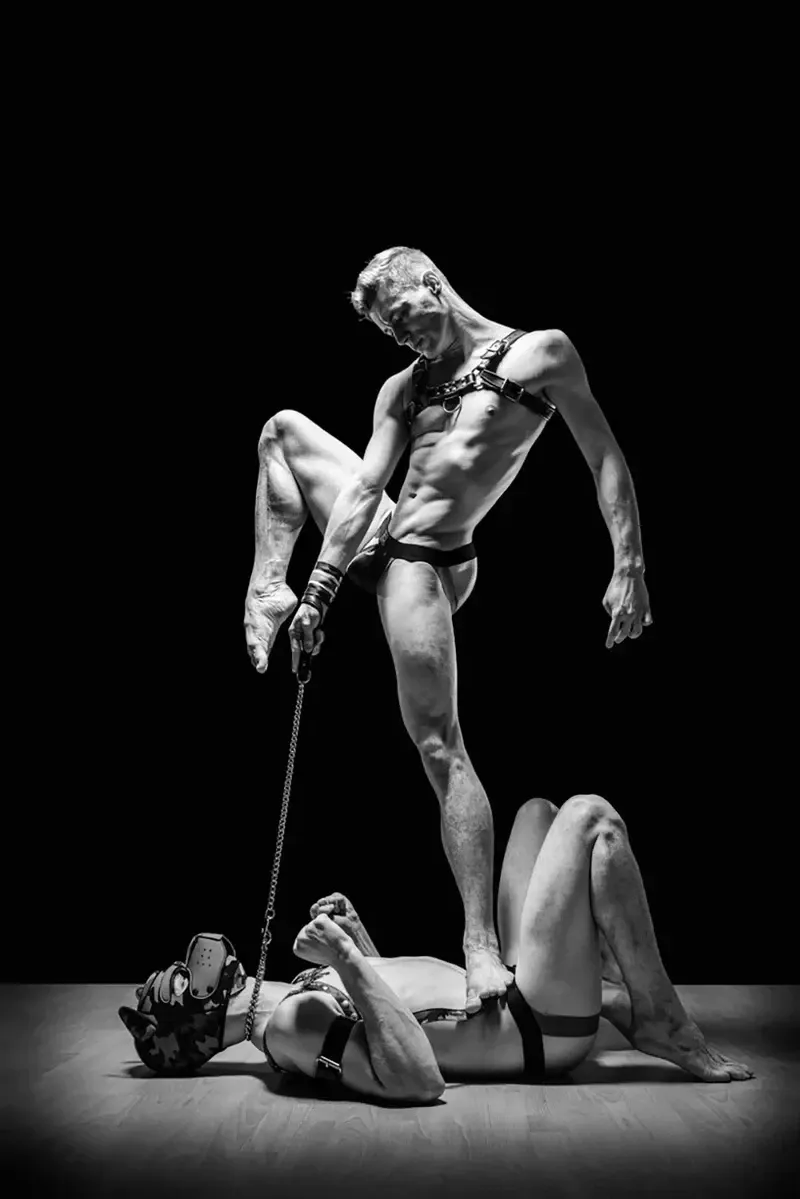
Arjan Spannenburg
RECIPROCATION
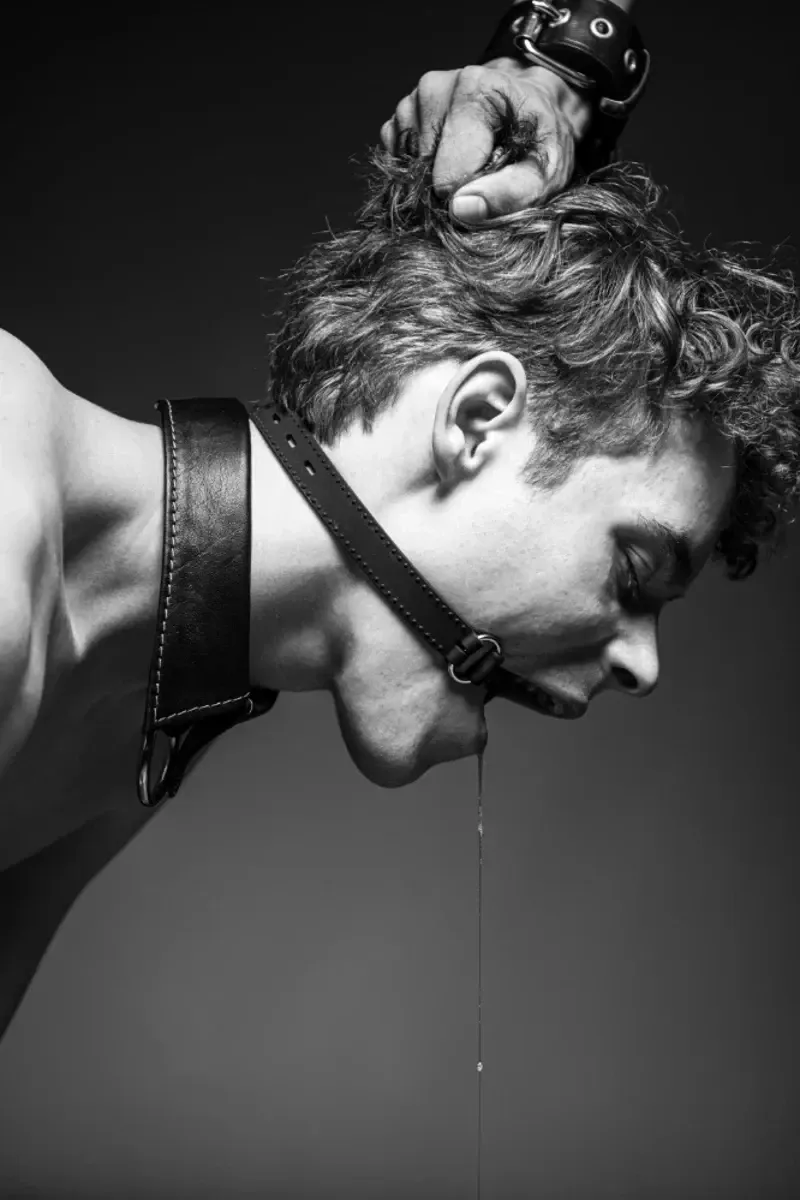
Arjan Spannenburg
DOMINION

Arjan Spannenburg
LOVED

Arjan Spannenburg
WHERE IT CALMS

Arjan Spannenburg
PERSISTANCE

Arjan Spannenburg
SUBMISSION

Arjan Spannenburg
YEARNING

Arjan Spannenburg
RAPTURE

Arjan Spannenburg
SOLACE

Arjan Spannenburg
SANCTIONED

Arjan Spannenburg
ESTRANGED - YANNICK
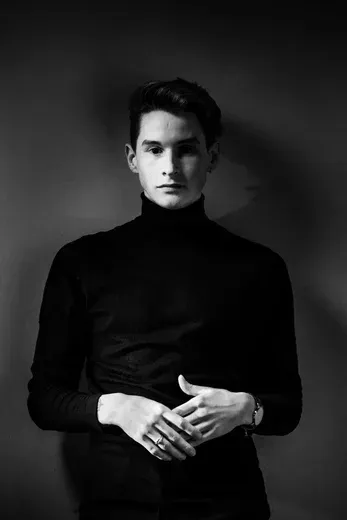
Arjan Spannenburg
THE OBSERVER
The Queer Aesthetic: Navigating Identity and Subversion
The queer genre in contemporary art functions as a critical lens through which the boundaries of identity, gender, and societal norms are examined and dismantled. It is not merely a thematic choice but a fundamental shift in perspective that challenges the heteronormative gaze. In this space, artists utilize visual language to explore the fluidity of the self, often employing subversive techniques to reclaim narratives that have historically been marginalized or erased. The works curated within this category move beyond simple representation, instead focusing on the performative nature of identity and the intersections of desire, politics, and lived experience.
Philosophical Foundations and Visual Language
At its core, queer art is rooted in the disruption of binary structures. It draws from a rich lineage of resistance, where the body often serves as the primary site of inquiry. You will encounter works that balance vulnerability with defiance, using light, shadow, and composition to articulate the nuances of the queer experience. This genre leverages semiotics to infuse everyday subjects with new meaning, transforming the mundane into a statement of existence. The aesthetic often fluctuates between hyper-realism and abstraction, reflecting the complex internal and external worlds that queer individuals navigate.
Global Relevance and Contemporary Context
Within the international art market, queer art has evolved from a niche counter-culture into a cornerstone of contemporary discourse. It shares a semantic space with movements such as feminist art and post-colonial studies, contributing to a broader understanding of human rights and institutional critique. Curators and collectors recognize these works for their provenance of protest and their ability to forecast cultural shifts. By engaging with this genre, one participates in a global dialogue regarding the democratization of the image and the ongoing evolution of social constructs.