Conceptual
Hierdie genre ondersoek die primaat van die idee binne die fotografiese medium. Deur die tradisionele rol van die kamera te dekonstrueer, transformeer hierdie werke visuele data in filosofiese ondersoeke. Versamelaars en kurators sal 'n uitgesoekte keuse vind wat narratiewe diepte, sistemiese kritiek en die ondersoek van abstrakte konsepte bo letterlike representasie prioritiseer. Hierdie benadering strook met die streng standaarde van die internasionale kunshandelsmark, en bied werke wat as intellektuele maatstawwe dien. Die versameling beklemtoon die kunstenaar se rol as denker, wat die beeld gebruik om komplekse sosiale en ontologiese landskappe te navigeer.
44 Artworks

Arjan Spannenburg
RELIANT

Arjan Spannenburg
RECONNECTION

Arjan Spannenburg
REVIVAL

Arjan Spannenburg
INGRAINED

Arjan Spannenburg
BLIND LOVE - TRUST

Arjan Spannenburg
BLIND LOVE - SURRENDER

Arjan Spannenburg
BLIND LOVE - CONSIDERATION
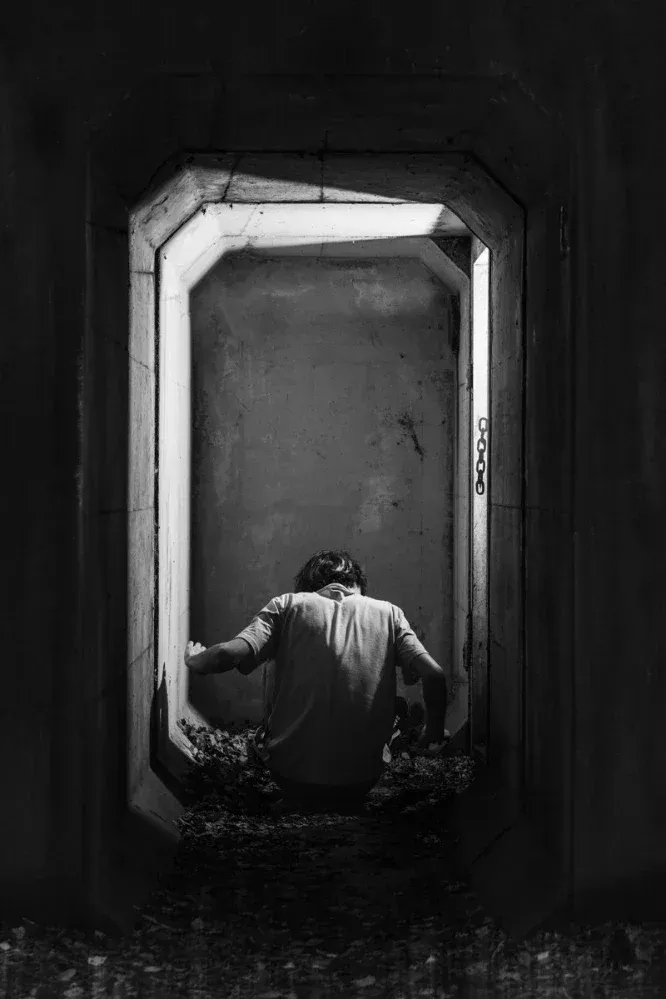
Arjan Spannenburg
SENTIENT

Arjan Spannenburg
TOUCH ME 2 - Inclination

Arjan Spannenburg
TOUCH ME 2 - Propensity

Arjan Spannenburg
TOUCH ME 2 - Tendency

Arjan Spannenburg
TOUCH ME 2 - Velleity

Arjan Spannenburg
COMPELLED - Damian

Arjan Spannenburg
COMPELLED - Robin
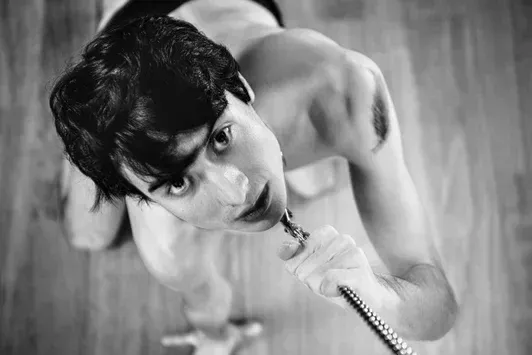
Arjan Spannenburg
COMPELLED - Jaap

Arjan Spannenburg
COMPELLED - Jacob

Arjan Spannenburg
COMPELLED - Mats

Arjan Spannenburg
COMPELLED - Charlotte
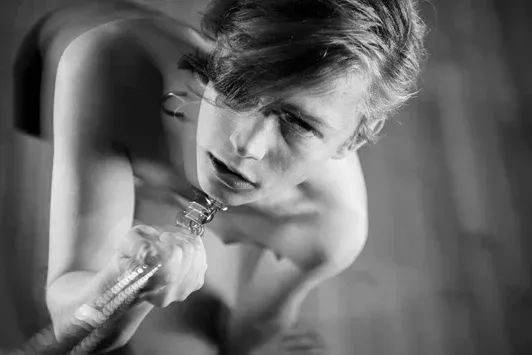
Arjan Spannenburg
COMPELLED - Thijs

Arjan Spannenburg
RESTRAINT 3
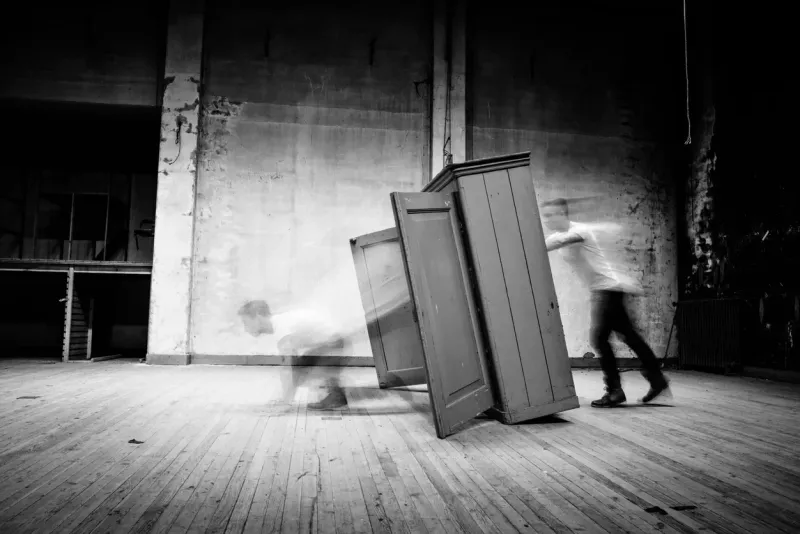
Arjan Spannenburg
COMING OUT

Arjan Spannenburg
CAPTIVATION

Arjan Spannenburg
ESCAPADE
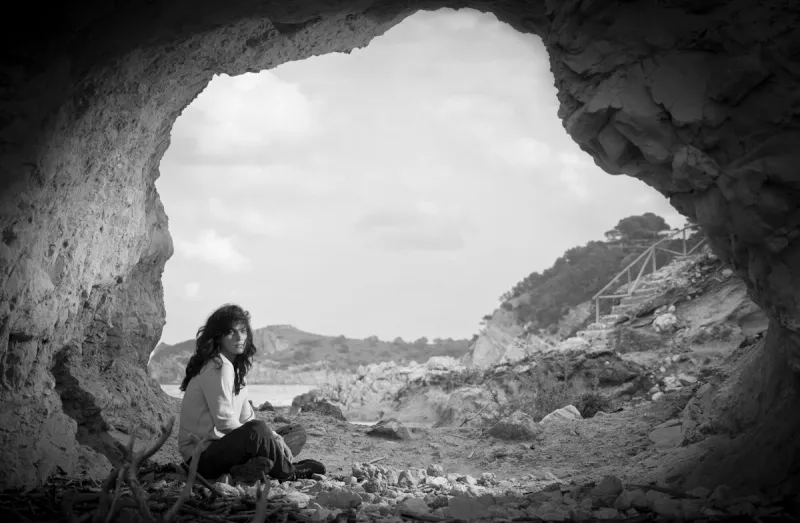
Arjan Spannenburg
SANCTUARY
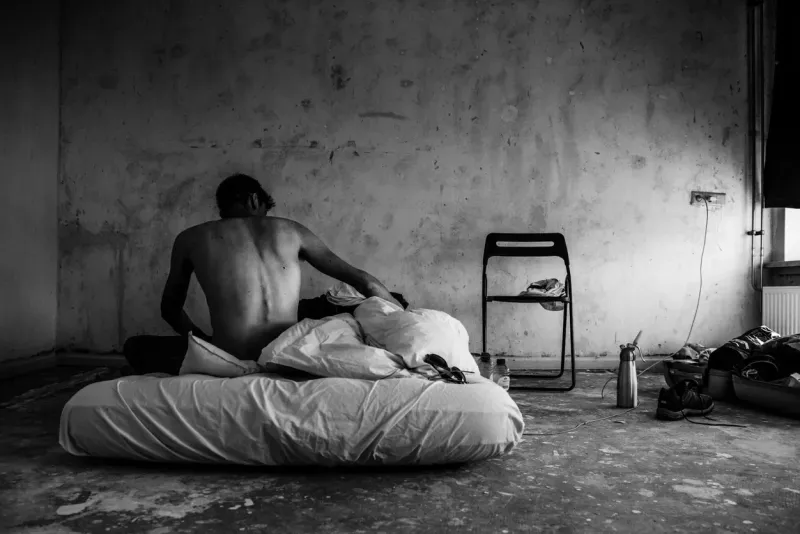
Arjan Spannenburg
OUTCAST
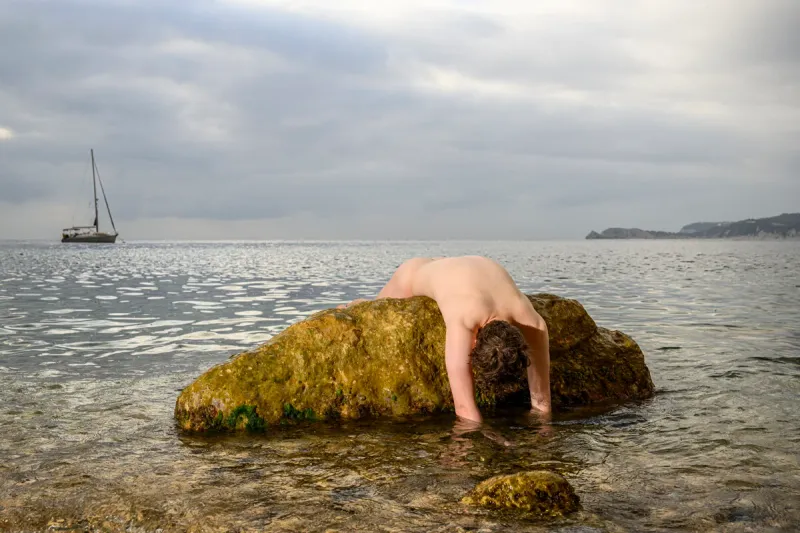
Arjan Spannenburg
SIREN 3/3

Arjan Spannenburg
SIREN 2/3
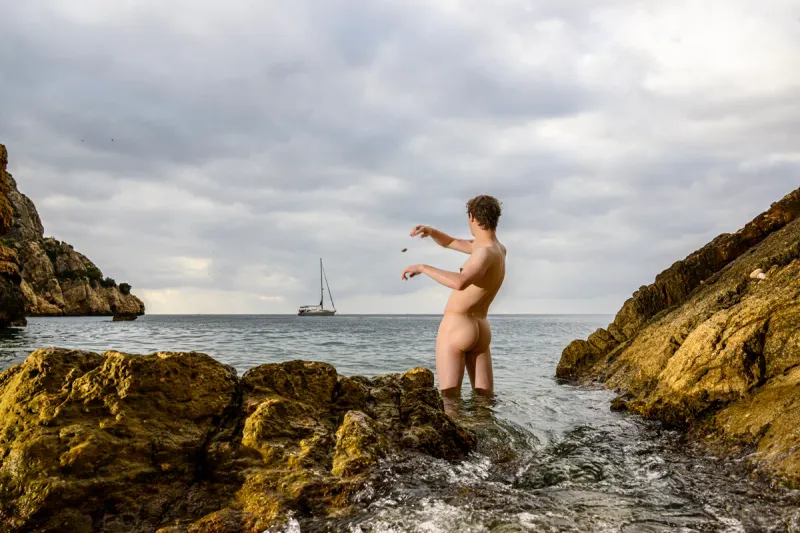
Arjan Spannenburg
SIREN 1/3

Arjan Spannenburg
JOHN THE BAPTIST - The Red Mantle

Arjan Spannenburg
JOHN THE BAPTIST - Presence

Arjan Spannenburg
JOHN THE BAPTIST - The Weight of the Word

Arjan Spannenburg
JOHN THE BAPTIST - The Shepherd's Gaze

Arjan Spannenburg
SEGREGATION

Arjan Spannenburg
EROSION
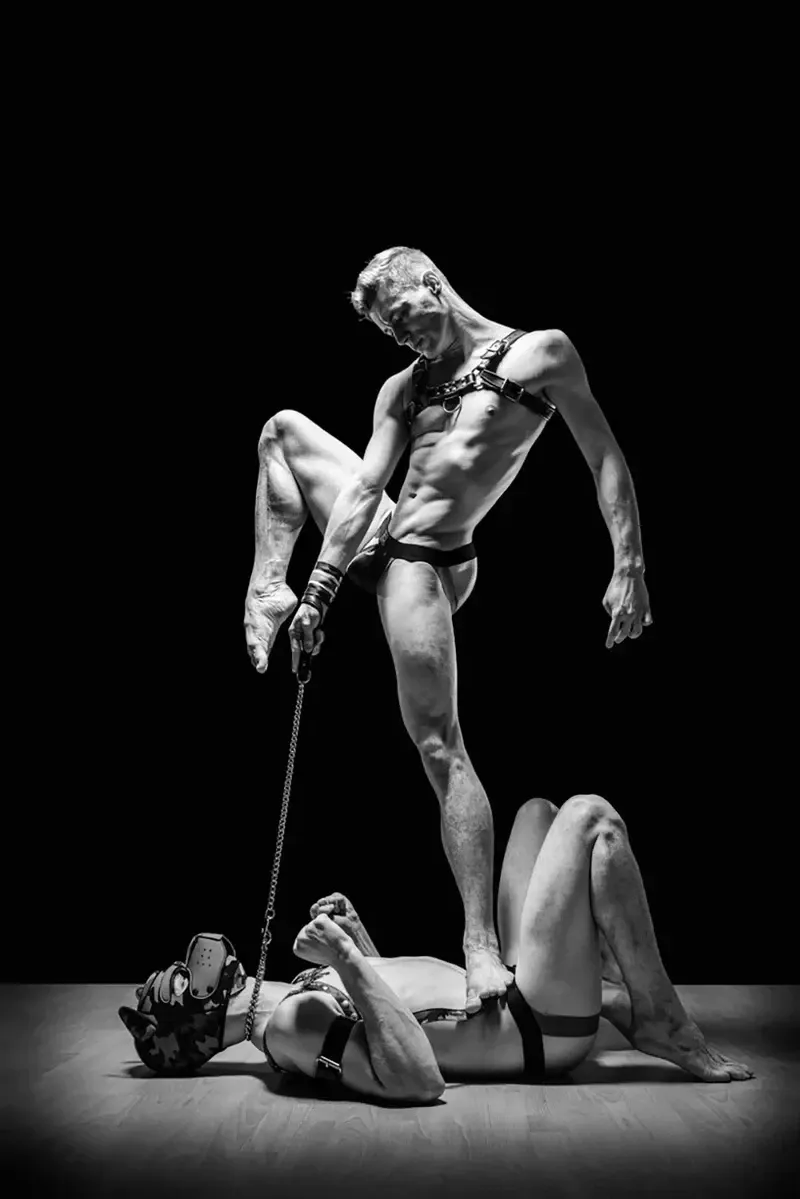
Arjan Spannenburg
RECIPROCATION

Arjan Spannenburg
DOMINION
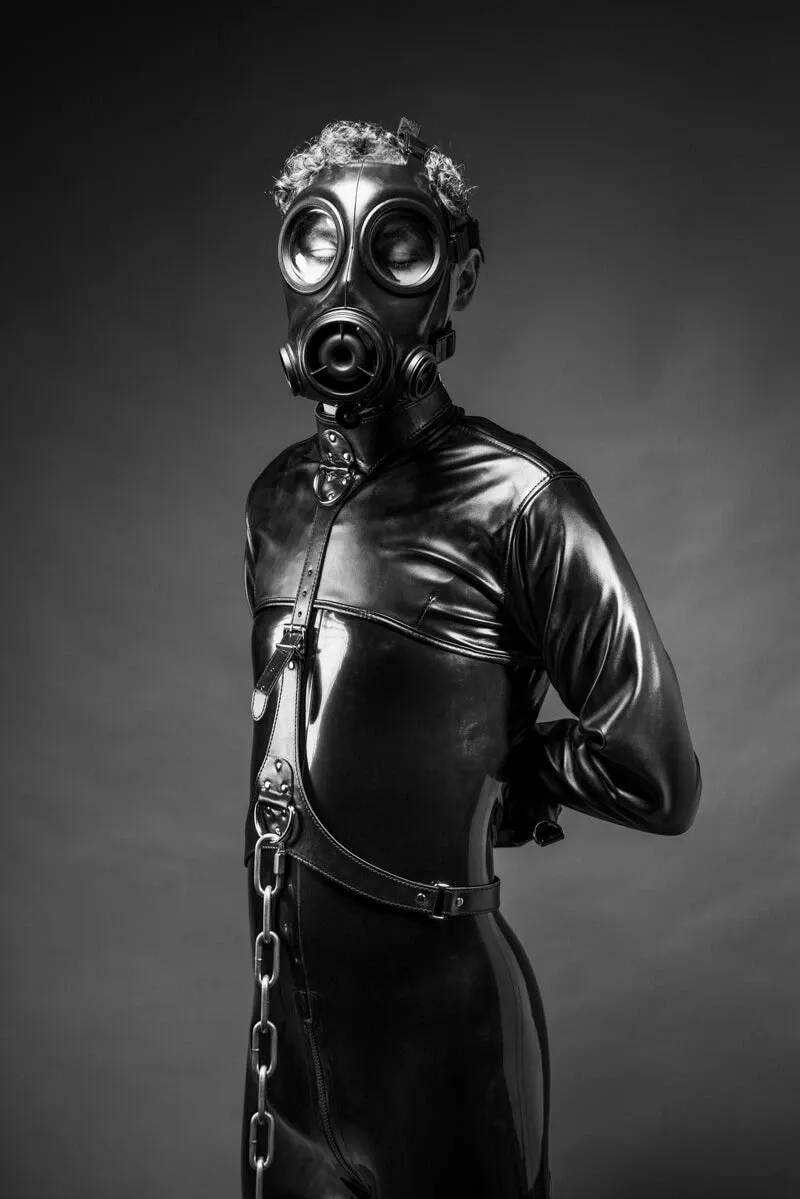
Arjan Spannenburg
WHERE IT CALMS

Arjan Spannenburg
YEARNING

Arjan Spannenburg
RAPTURE
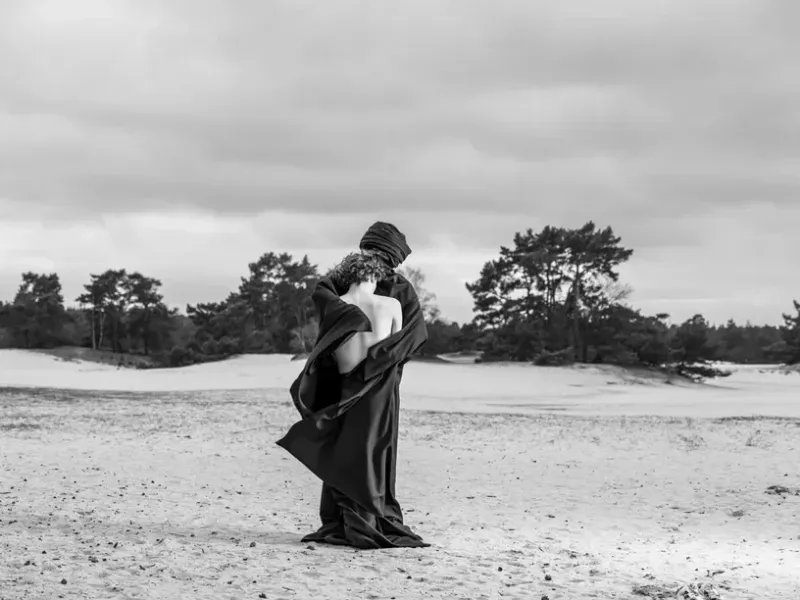
Arjan Spannenburg
EMERGE
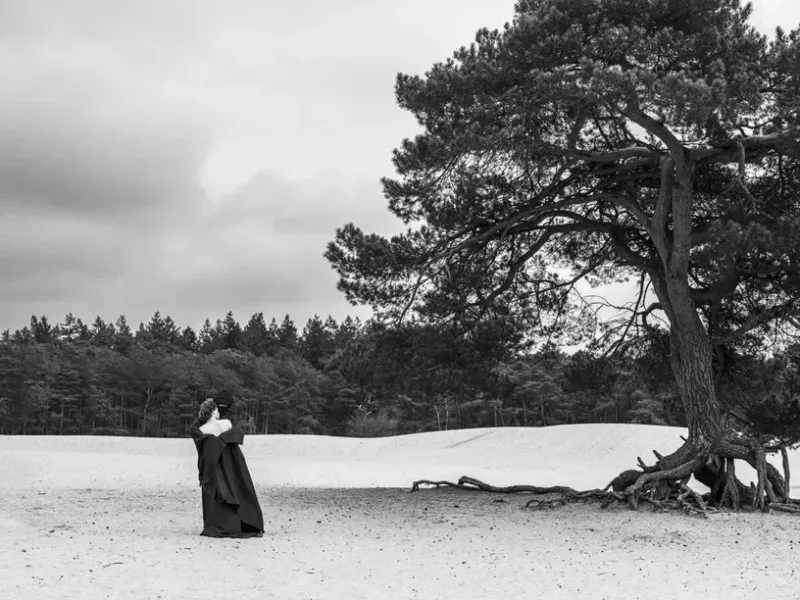
Arjan Spannenburg
ROOTED

Arjan Spannenburg
SOLACE

Arjan Spannenburg
BLIND

Arjan Spannenburg
SEARCHING
Beyond the Visual Surface
Conceptual art prioritizes the underlying idea over the traditional aesthetic or technical execution. In the realm of photography, this shift means the lens is no longer a tool for mere documentation but a vehicle for a thesis. The works presented within this genre function as visual manifestations of abstract thought, where the image serves as the final stage of a rigorous intellectual process. For the international curator and collector, these pieces represent a dialogue between the seen and the understood. The focus lies in the interrogation of social structures, identity, and the subjective nature of reality itself.
The Evolution of the Idea as Medium
The historical lineage of this genre traces back to the mid twentieth century when artists began to challenge the preciousness of the art object. Contemporary conceptual photography continues this legacy by utilizing staged imagery, found objects, and digital interventions to dismantle conventional narratives. Within this collection, the viewer encounters a deliberate use of symbolism and metaphor. Each composition is a calculated decision designed to provoke a specific inquiry or cognitive dissonance. By situating these works within the broader global art market, it becomes clear that conceptualism remains a dominant force, bridging the gap between philosophy and visual culture. These photographs are not intended to be passive experiences, instead, they demand an active engagement with the provenance of the idea.