RESTRAINT
2023
The Equilibrium of Tension
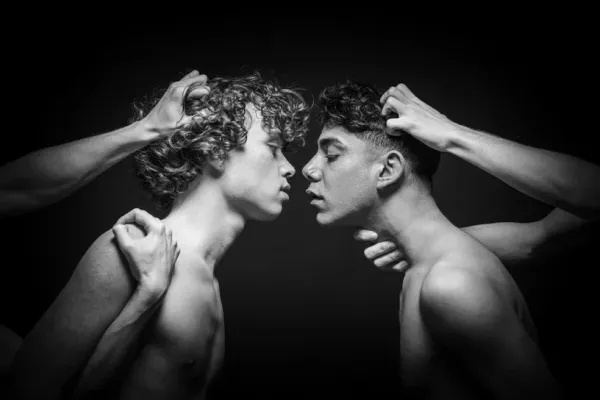
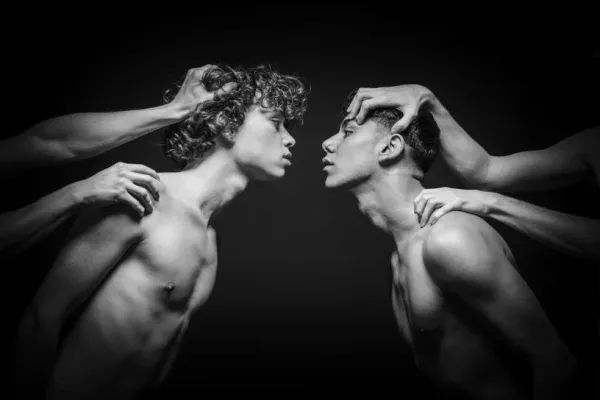
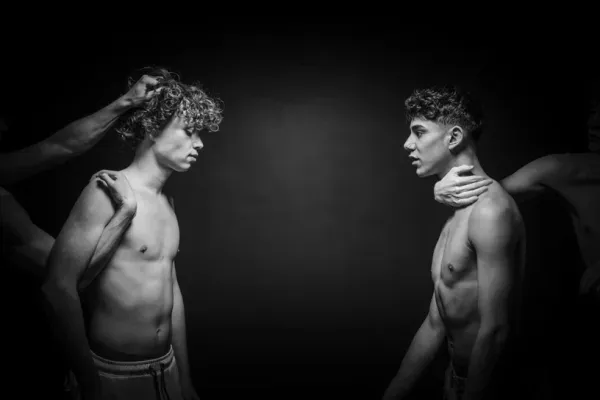
The Restraint series by Arjan Spannenburg serves as a profound inquiry into the invisible forces that govern human connection. In this triptych, Spannenburg moves beyond traditional portraiture to create a choreographed study of resistance and longing. The presence of external hands, acting as both anchors and barriers, introduces a visceral layer of conceptual depth. This visual language speaks to the institutional and social structures that dictate how bodies interact in shared spaces, transforming a private moment into a universal dialogue on autonomy and the friction of proximity.
Materiality and Quality
Through a masterful application of chiaroscuro, the series elevates the human form to a sculptural status. The high-contrast black and white medium is not merely a stylistic choice but a narrative tool that strips away the ephemeral, focusing instead on the timeless struggle of the spirit. By isolating the figures against an absolute void, Spannenburg ensures that the viewer’s gaze remains fixed on the nuance of a tensed muscle or a diverted look. This level of technical execution and thematic rigour places the work within the lineage of contemporary masters who challenge the boundaries of the figurative tradition.
A Narrative of Social Responsibility
Beyond its aesthetic brilliance, Restraint functions as a living social experiment. While the images capture two figures drawn together by an innate bond, the intervening hands represent the weight of a society that often seeks to distance and divide. The series challenges the viewer to move past passive observation and confront the reality of external interference in personal identity. By capturing the exact moment of potential energy before a shift occurs, Spannenburg documents the vulnerability of the individual within the collective.
Contribution to International Contemporary Discourse
Restraint finds its place within the collections of discerning curators and institutions that value art as a mirror to the complexities of the modern psyche. The series does not offer easy answers; instead, it invites a meditative engagement with the concept of the "other" and the self. It is this captured stillness, a balance between impulse and interference, that marks Spannenburg’s contribution to the international art world as a significant voice in conceptual photography.