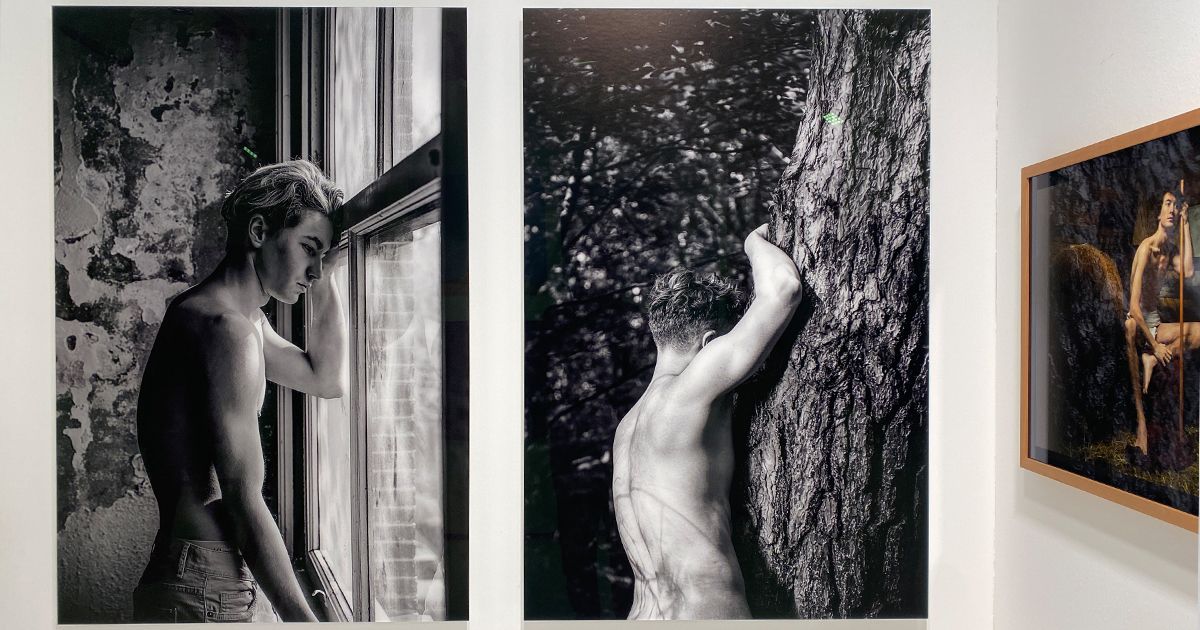
Exhibition Review
The Evolution of 'RESTRAINT'
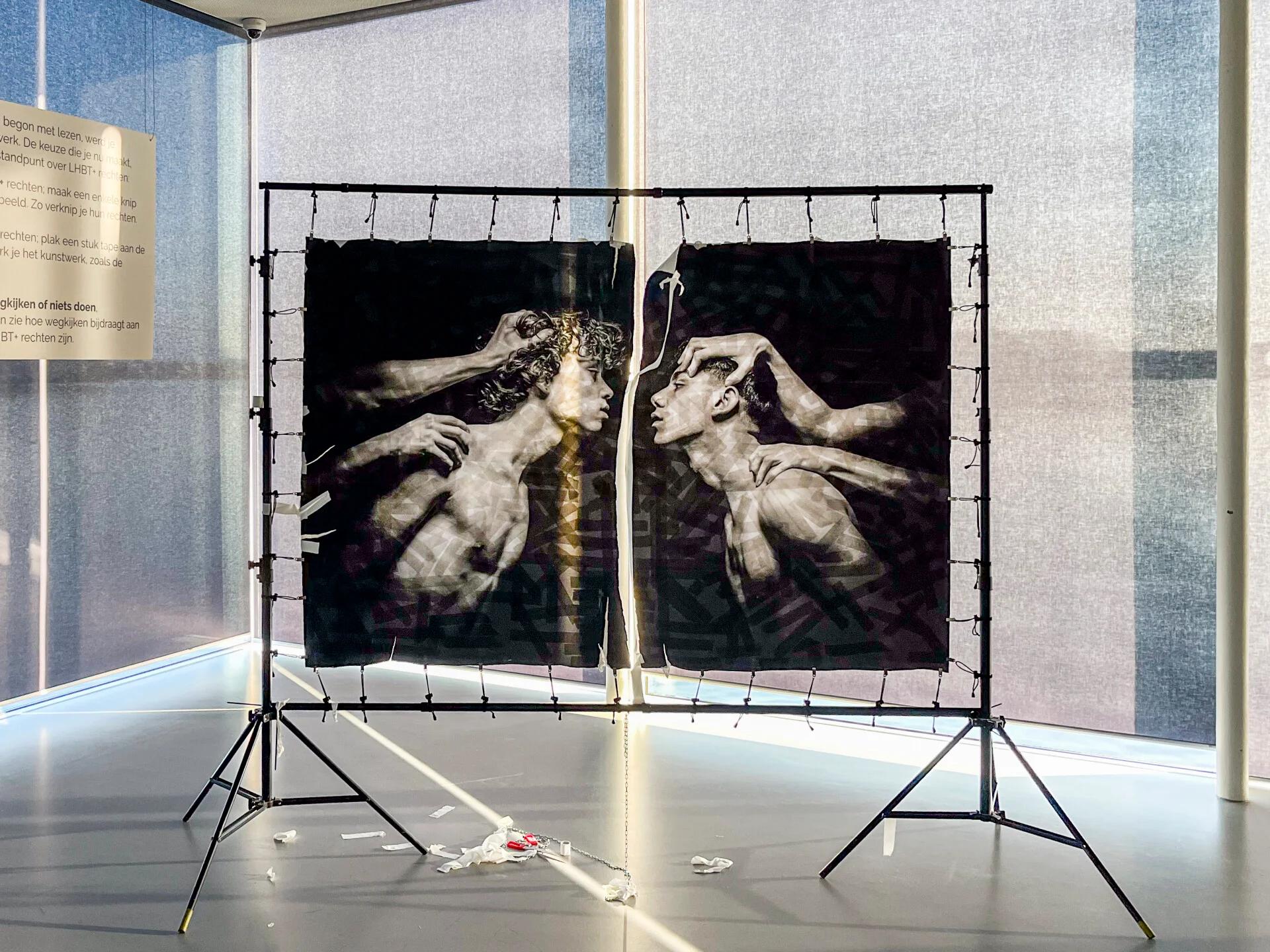
Arjan Spannenburg, an award-winning Dutch fine art photographer and FEP Merit winner celebrated for his raw explorations of identity and human connection, created a pivotal moment in contemporary art history with his installation RESTRAINT. Originally a 200cm monochrome pigment print centerpiece for his People Like Me exhibition at Kunstlinie Almere (October–December 2024), the work was physically vandalised when a visitor severed the canvas, an act that inadvertently manifested the piece's theme of societal pressure on LGBTQ+ intimacy. Rather than retreating, Spannenburg transformed the destruction into a profound "participation artwork," leading a communal restoration joined by Alderman Maaike Veeningen, Meke Smeulders, and Pride Amsterdam chair Suzanna van de Laar. By physically mending the canvas, the community turned a site of violence into a symbol of resilience, leaving the work with a unique provenance that serves as a permanent cultural record of the struggle for LGBTQ+ rights in the Netherlands during the mid-2020s.
When Vandalism Completes the Narrative
In the realm of fine art, a piece is often defined by its stillness. However, for Dutch photographer Arjan Spannenburg, his 2024 exhibition at Kunstlinie Almere proved that a photograph can be a living, breathing entity.
His work,RESTRAINT, was initially conceived as a large-format study of human connection under pressure. Measuring two metres wide, the monochrome piece captures the tension between intimacy and societal force. But during its residence in thePeople Like Meexhibition (October–December 2024), the artwork moved from being a representation of struggle to a participant in it.
A Living Provenance
When an unknown visitor physically cut the canvas, they didn't just damage a print; they activated the piece’s core theme. What followed was a rare moment of institutional and social convergence. Rather than hiding the damage, Spannenburg invited a collective "healing."
The sight of prominent figures, such asMaaike Veeningen(Alderman of Almere), Meke Smeulders (Fraction chair D66 Almere) andSuzanna van de Laar(Chair of Pride Amsterdam), carefully mending the canvas with tape transformed the work. It shifted the provenance from a standard edition to a historical artifact. For a curator, this isn't just a photograph anymore; it is a documented social event that captures the friction of LGBTQ+ rights in the Netherlands during the mid-2020s.
The Collector’s Perspective: Beyond the Image
For those who follow Spannenburg’s career, the appeal lies in this intersection of high-end technical execution and raw social commentary. While the originalRESTRAINTthe installation remains a scarred, singular testament to the event, the series continues to resonate through its limited editions.
- Technical Integrity:Even within the chaos of the exhibition, the foundation remains museum-grade archival pigment prints, ensuring that the visual depth of the monochrome blacks and textured highlights is preserved for decades.
- Institutional Context:The work’s history is anchored by its time at Kunstlinie, a venue synonymous with the bold, modern spirit of Almere.
- Authenticity:Every piece from thePeople Like Meexhibition carries with it the weight of this history, accompanied by documentation that links the physical work to its time as a catalyst for Dutch social dialogue.
Arjan Spannenburg has demonstrated that art need not be pristine to be perfect. At times, value is discovered in repair.
More from the Journal
Redefining Fetishism within Contemporary Art and Culture
The Fluidity of the Eternal: Decoding the Hermaphrodite Endormi
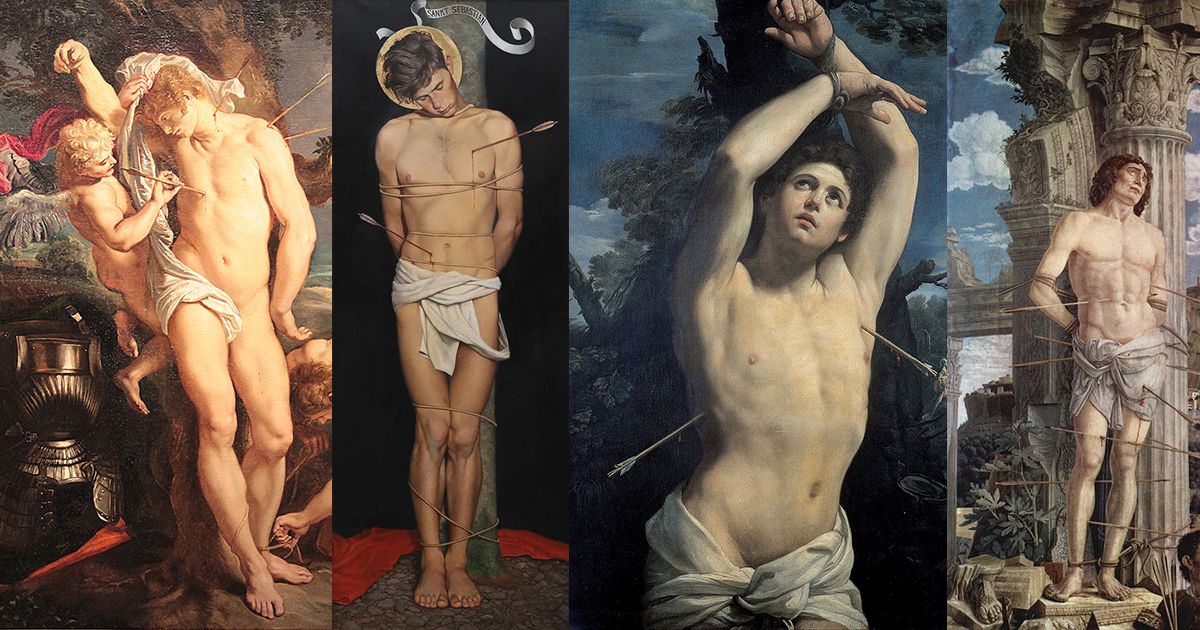
The Martyrdom of Beauty: Assessing Saint Sebastian as a Gay Icon in Visual Arts
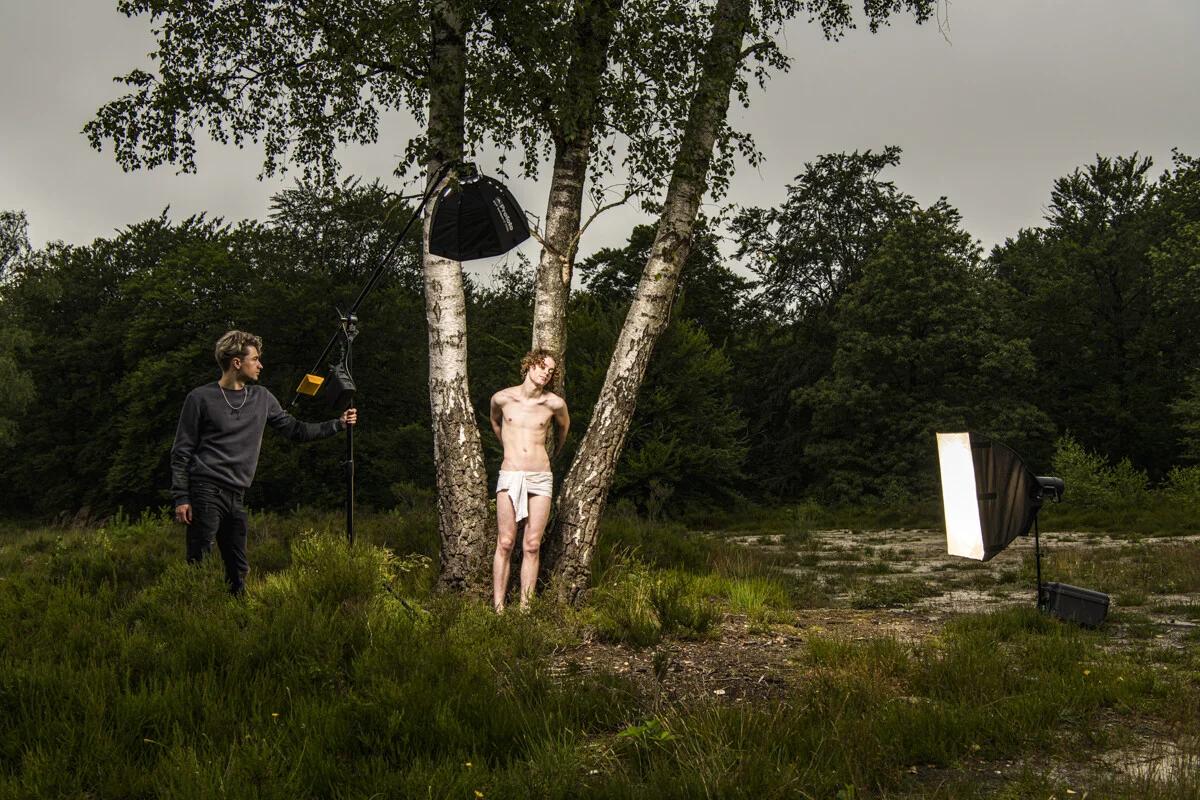
The Making of Saint Sebastian: Vulnerability Bound in Nature
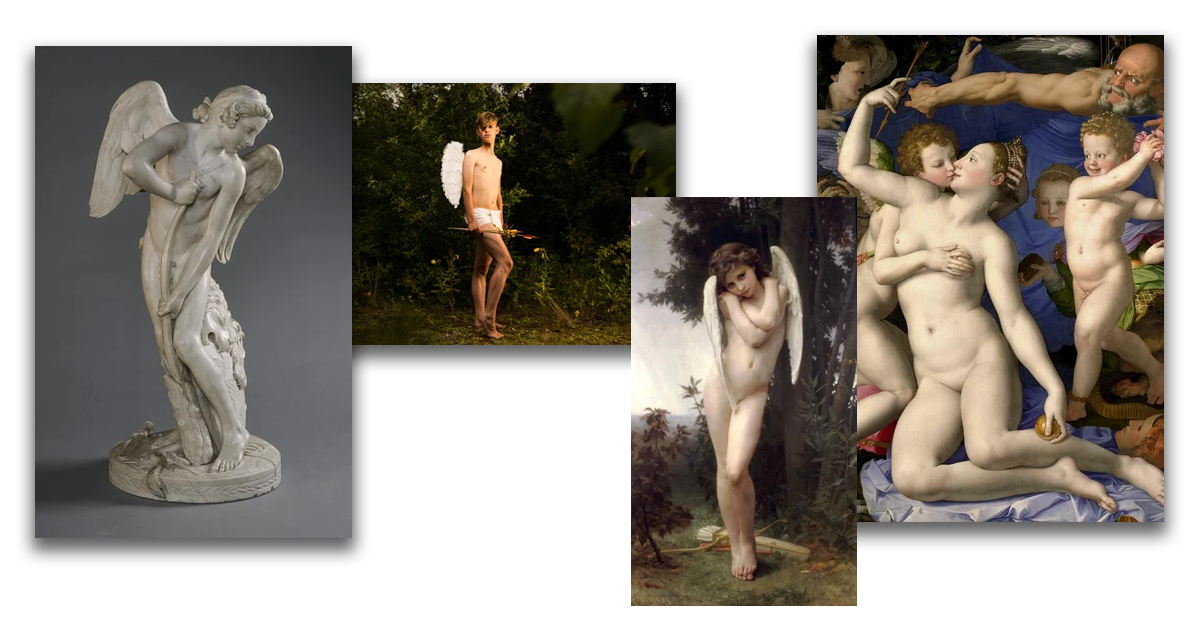
The Evolution of Cupid and Eros